
Kathleen Ahrens, PhD
When I left a full professorship at National Taiwan University for a headship position in Hong Kong, I thought I already knew what “competitive” meant. I didn’t.
In Taiwan, I’d gotten grant funding every single year. In Hong Kong, it took me several years to land my first GRF, years of submitting a proposal I believed in, watching it come back unfunded, and trying to work out, on my own, what the successful applicants were doing that I wasn’t.
Nobody explained the gap. There was no one telling scholars what separates a proposal that reads as fundable from one that gets funded.
As department head at my first Hong Kong university, I sat on search and promotion committees at the department, faculty, and university levels. Then, I began my own job search, interviewing at several universities. In my new position, I chaired the PhD committee. I chaired the Department Research Committee. I read file after file, CV after CV, GRF proposal after GRF proposal, along with scores of tenure and promotion cases, and I kept seeing the same gaps: the same blind spots, the same missed signals, the same strong scholars undersold by materials that didn’t do them justice.
That’s when I realized that most scholars in Hong Kong are left to work out grants, tenure, and promotion by trial and error, one rejection at a time, with no one telling them what the committees are actually looking for.
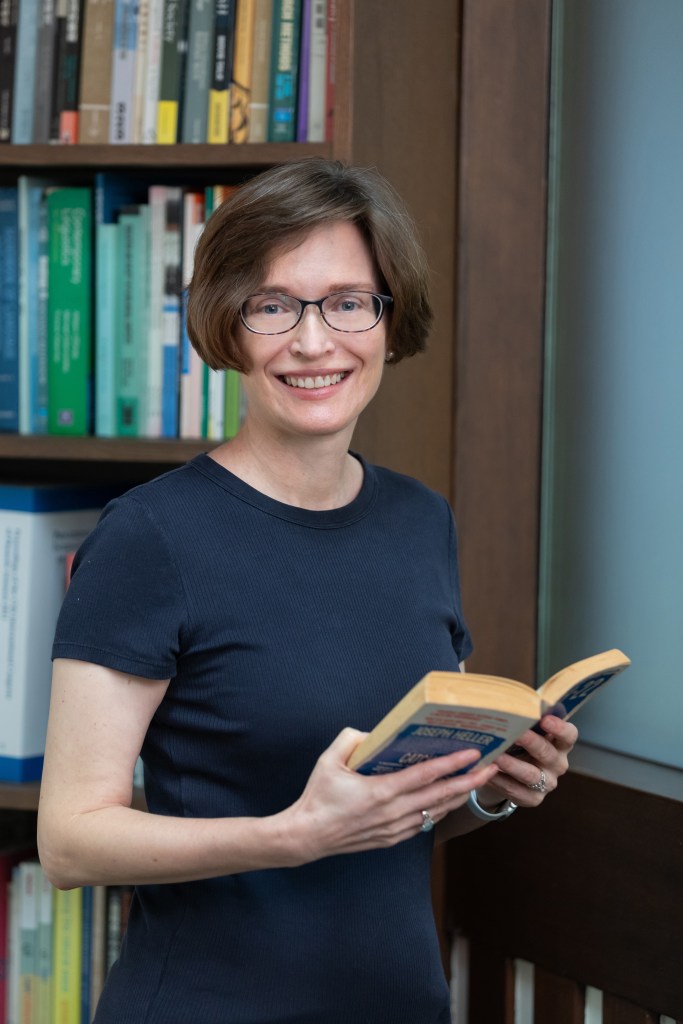
That’s why I started this coaching practice. After three decades inside the academy—as a full professor, department head, search committee member, research committee chair, and PhD committee chair—I know exactly what separates a file that gets funded from one that doesn’t, and a case that earns tenure from one that stalls. My mission is simple: to make sure you don’t spend years finding that out the hard way.
Before coaching, I built the kind of career I now help scholars build. I’ve won competitive grants in two funding systems, Hong Kong’s RGC and Taiwan’s National Science Council, across two dozen externally funded projects. I’ve published more than 80 journal articles and book chapters, in journals including Journal of Pragmatics, Metaphor & Symbol, Applied Linguistics, and Humanities and Social Sciences Communications (Nature), and given more than 250 invited talks, keynotes, and conference papers in 12+ countries, in English and Chinese. I’ve also served on RGC panels for GRF/ECS grants and reviewed grants and promotion cases in Europe and the UK.
Alongside my institutional leadership experience, I am a Gallup-Certified CliftonStrengths Coach and a graduate of the Harvard Graduate School of Education’s Management Development Program for Higher Education Leaders. I’ve also led global academic and non-profit organizations: President of the Hong Kong Academy of Humanities, ExCom Chair of the Association for Researching and Applying Metaphor, and International Regional Advisor Chair for the Society of Children’s Book Writers and Illustrators. I’ve also mentored twelve PhD students and four postdoctoral fellows, many of whom are now tenured full professors, department chairs, and deans.
After I started my coaching practice, something surprised me. Scholars who had left academia reached out and told me, “If I’d had someone like you, I might have stayed.” Staying in academia is your choice, and there are good lives on both sides of that decision. No one can guarantee an outcome, but if you want in, or you want to advance, I’ll give you the expertise and tools to take your best shot.

